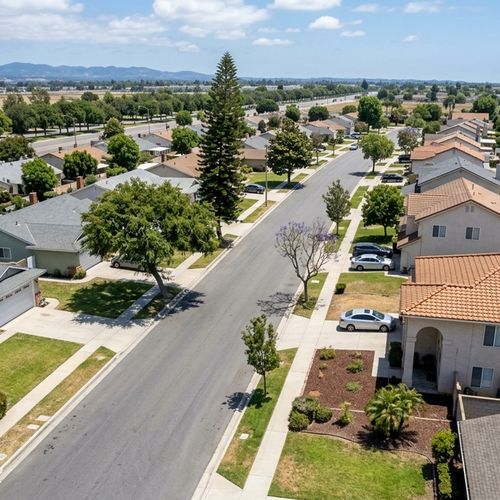
The median sale price for a single-family home in Cypress, CA, sits at roughly $1,160,000 as we approach the end of 2026. Single-family home values grew just 0.4% over the past year.
That flat appreciation matters more than the headline price. You can't rely on a rising market to cover the cost of a major renovation. Where you put your money comes down to your timeline and whether you are preparing to list or updating the house for your own long-term use.
Key Takeaway
If you plan to sell within the next year, put your money into repairs, paint, and presentation, and price the home to recent sales rather than attempting a major remodel. With single-family values essentially flat over the past year, the market won't cover an overbuilt project. If you're staying for years, a permitted room addition or ADU is the project most likely to raise what the house is worth, provided the contractor bids pencil out against local sale prices.
Who This Guide Is For
You own a home in Cypress and are deciding which improvements, if any, are worth paying for before you sell or while you stay.
Cypress Home Values in 2026
Single-family values were nearly flat over the past year, yet 41.5% of houses still sold above list with only 2.1 months of supply. The dependable way to add value is to get your house into that above-list group through repairs, presentation, and pricing to recent sales, not by funding a big remodel the flat market won't pay back. The broader market of all homes saw a 3.6% year-over-year increase, but house appreciation specifically is doing almost nothing for owners right now.
Supply is tight enough that buyers still compete for houses that are ready to move into. Townhouse values rose 4.0% based on 21 recent sales. The goal is to position your property as the clear choice for active buyers rather than betting on a heavy renovation. You can review current price trends on our Cypress housing market page, or see how houses and townhouses differ on our types of homes page.
Which Home Improvements Make Sense for Your Timeline?
The right project depends entirely on how soon you plan to move. Spending on an upscale remodel right before listing rarely returns the cash you put in, while skipping basic repairs can cost you thousands at the negotiation table.
To decide where to start, ask yourself these questions:
- Are you likely to list within the next 12 months? If yes, focus on improvements that pay back before you sell and pricing strategies. If no, start with bigger projects for staying for years.
- Do you own a townhouse rather than a detached house? If so, your HOA controls most exterior changes. Skip to the townhouse note on pricing and timing, and focus on interior work like paint, flooring, and lighting.
- Has the house had additions, garage conversions, or electrical work you can't find permits for, or repairs you've been putting off? Start with a pre-listing inspection and the permit question in the FAQs before spending on anything cosmetic.
- Would you do the project even if it never paid back, because you'll live with it for years? If yes, read about kitchen updates and room additions. If no, stay with the lower-cost fixes.
Improvements That Pay Back Before You Sell
For owners listing within about a year, the most profitable approach is minimizing the reasons a buyer might discount your house. Buyers look for move-in readiness, and when they find deferred maintenance or dated surfaces, they subtract the cost of the work from their offer.
Low-cost fixes that remove those objections are what move a house from the typical just-under-list sale toward the above-list group. The priority isn't high-end luxury. It's a clean, functional blank slate that passes a home inspection without major red flags.
Pre-Listing Inspection and Repairs
California sellers must give buyers a Transfer Disclosure Statement listing known defects before the transfer of title. Paying for your own inspection before listing lets you find and fix roof, plumbing, electrical panel, or water heater issues on your schedule and at your price. Otherwise, buyers find them mid-escrow and ask for credits or price reductions.
Repairs done before listing turn a disclosure item into a selling point. The catch: once the inspection finds a problem, you have to disclose it whether you fix it or not. Commission an inspection only if you're prepared to repair the findings or price them in.
Paint, Flooring and Lighting
These are the cheapest changes buyers see in listing photos and at showings. Neutral interior paint, replaced worn carpet or damaged flooring, and updated light fixtures remove immediate visual objections without spending much. For townhouse owners, this is also where you have the most control over your unit's value.
Think of it as removing reasons for a buyer to discount your home, not as adding luxury. Spending on bold or trend-driven finishes can narrow your buyer pool, since buyers in this price range typically repaint and replace fixtures to their own taste after closing.
Curb Appeal and a Water-Wise Yard
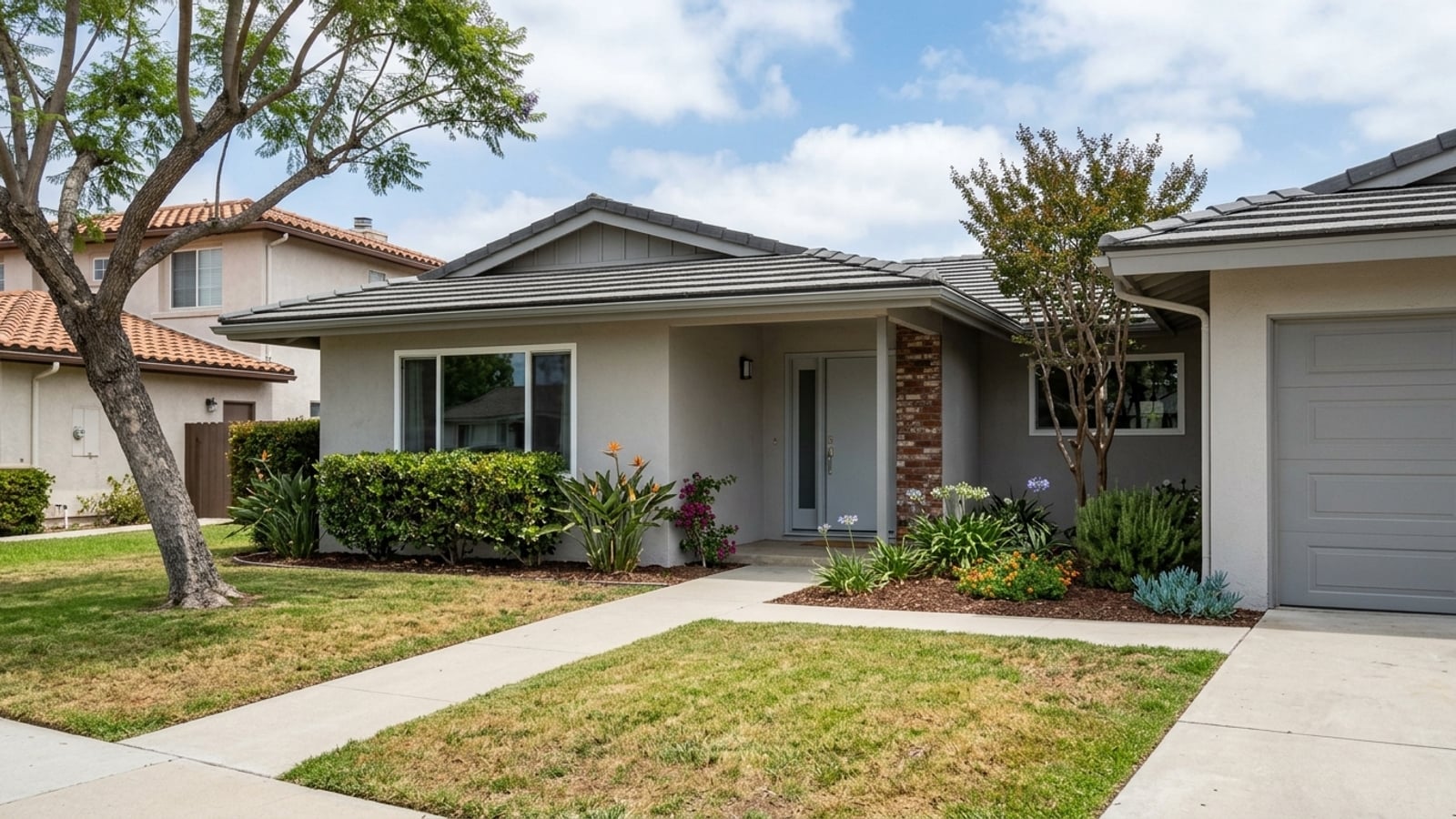
Front-of-house first impressions start with the garage door, entry door, trimmed landscaping, and exterior lighting. Per the latest Cost vs Value report for the Pacific region, an upscale garage door replacement recoups 267.7% of its cost at resale, and a steel entry door replacement recoups 216.4%. Replacing thirsty lawn with drought-tolerant landscaping may also qualify for a local rebate, which helps manage water costs.
Check our utilities page to compare typical water costs in the area. One timing issue worth knowing: turf rebate programs usually require approval before you remove any lawn, and new drought-tolerant plantings can look sparse for months. If you pull up the lawn a week before listing photos, you're selling a yard of bare dirt. Confirm turf-rebate eligibility and get pre-approval before removing anything.
Bigger Projects If You're Staying for Years
If you plan to stay in your Cypress home for five years or more, large renovations become lifestyle choices rather than strict financial investments. You have time to enjoy the new space, which offsets the fact that major construction rarely pays back dollar-for-dollar at the closing table.
Judge these projects on their use value to you today, plus a realistic resale share down the road, rather than expecting appreciation to cover the entire cost. Get at least three written contractor bids before starting any remodel, addition, or ADU to keep costs grounded. Ask an agent for recent sales of comparable houses near you, both updated and in original condition, before you commit to a project.
Kitchen and Bathroom Updates
A minor midrange kitchen refresh, updating cabinet fronts, counters, and appliances, recoups 129.1% of its cost in the Pacific region. A major upscale kitchen remodel recoups just 38.8%, and an upscale bathroom remodel recoups 44.5%. That gap between a minor refresh and a major teardown is the primary reason to scale down your plans if resale value matters to you.
Moving plumbing or electrical lines requires a city permit, adding time and cost to the job. You'll also be living around construction for weeks. Do it for your own use first, with resale as a secondary benefit.
Room Additions and ADUs
Square footage is what buyers pay for most directly. Cypress single-family houses recently sold at a median of $632 per square foot, which gives you a local yardstick to hold contractor bids against: compare the cost per added square foot versus what the market pays.
Cypress regulates ADUs under local zoning rules to comply with state law, requiring exterior finishes to match the primary house and prohibiting the separate sale of the ADU. California requires cities to act on a complete ADU permit application within 60 days, and a permitted ADU can produce rental income while you live there. That said, added rooms and ADUs rarely appraise at the full median price per square foot, and if bids exceed what comparable larger houses nearby sell for, the project loses money at resale. Permitting and construction can take many months, so this isn't a quick-turnaround strategy.
Solar and Energy Upgrades
Owned solar panels, efficient windows, and updated HVAC systems lower monthly utility bills, which buyers notice. Under California's net billing tariff (NEM 3.0), new solar customers get lower export credits than earlier customers, which changes the payback math for recent installations.
The main resale issue is ownership structure. Owned systems transfer simply to the new buyer and add appeal to the property. A leased system or power purchase agreement has to be transferred to the buyer, and some buyers or lenders balk at taking on the contract. Read your solar lease or power purchase agreement for transfer and buyout terms before you list.
Pricing and Timing When You Sell
Pricing decides whether your improvements show up in the final sale price. The typical Cypress single-family house sits on the market for about 42 days, or roughly six weeks, even with tight supply. An overpriced listing burns its first weeks of attention, goes stale, and slides toward the below-list group. Pricing against recent sales of comparable houses in similar condition is how you capture buyer interest early, before momentum fades.
Townhouses sold at 100.8% of list price recently, though that's based on only 21 sales, so treat it as a caution rather than a guaranteed trend. Value in a townhouse comes down to the interior condition and the health of the HOA. Ask your HOA which exterior changes need approval, and request the current budget, reserve study, dues, and any planned special assessments. Buyers and their lenders will review all of it. You can learn more about the full selling process and timing on our selling a home page.
Get a Value Estimate Before You Spend
Before you commit to any construction or cosmetic project, it helps to know what your house is currently worth as-is. Comparing your property to updated houses that recently sold nearby gives you a clear ceiling for your budget.
Over-improve for your specific neighborhood and you won't see that money returned at closing. If you'd like a comparable-sales estimate for your Cypress home before you pick a project, I'm happy to put one together. We can review the numbers to ensure your planned updates align with the local market.
At a Glance
- All homes, median sale price: $989,529, up 3.6% year over year (90 days ending Sept. 30, 2026; 84 sales)
- All homes: median 44 days on market, 99.9% sale-to-list, 36.1% sold above list (90 days ending Sept. 30, 2026)
- All homes: 2.7 months of supply, 76 homes on the market, median $595 per square foot (90 days ending Sept. 30, 2026)
- Single-family homes, median sale price: $1,159,538, up 0.4% year over year (90 days ending Sept. 30, 2026; 54 sales)
- Single-family homes: median 42 days on market, 99.7% sale-to-list, 41.5% sold above list (90 days ending Sept. 30, 2026)
- Single-family homes: 2.1 months of supply, 36 on the market, median $632 per square foot (90 days ending Sept. 30, 2026)
- Townhouses, median sale price: $787,759, up 4.0% year over year (90 days ending Sept. 30, 2026; based on only 21 sales, so treat with caution)
- Townhouses: median 43 days on market, 100.8% sale-to-list, 39.9% sold above list (90 days ending Sept. 30, 2026; 21 sales)
- Townhouses: 2.9 months of supply, 19 on the market, median $513 per square foot (90 days ending Sept. 30, 2026; 21 sales)
Cypress Home Value FAQs
How Can I Increase My Cypress Home's Value by $50,000?
Adding $50,000 is about 4.3% of the single-family median sale price of $1,159,538. That's roughly the gap between a typical near-list sale and a competitive above-list one. It's more realistic to capture this amount through repairs, presentation, and pricing than through a single remodel, though a permitted addition can add that much outright, subject to contractor bids.
What Devalues a House the Most in Cypress?
Unpermitted additions or garage conversions devalue a property because buyers' lenders and appraisers may discount them. Deferred roof, plumbing, or electrical problems also hurt value, as California sellers must deliver a written Transfer Disclosure Statement detailing these issues before the transfer of title. A leased solar contract that buyers must assume can also drag down the price. Look up your address's permit history with the City of Cypress Building Division at (714) 229-6730 to confirm past work was permitted.
What Home Improvements Don't Add Value in Cypress?
Major upscale remodels rarely add their full cost back to the home's value. The lowest-performing project in the Pacific region is an upscale primary suite addition, which recoups just 18% of its cost. Personal or luxury finishes rarely pay back in a market where single-family prices are currently flat.
What Is the Hardest Month to Sell a Home in Cypress?
Orange County home sales seasonality typically shows a dip in listings and sale prices during the late fall and winter months. Local conditions and inventory levels this year matter more than regional historical patterns. Check our selling page for timing strategy when you're ready to list.
What Percent Is a Lowball Offer on a House in Cypress?
A lowball offer depends on the property, but the typical single-family house in Cypress recently sold at 99.7% of its list price. At that level, an offer several percent under list falls well outside what the data shows sellers accepting right now. Sellers should judge any offer against recent comparable sales rather than a fixed percentage.
Is It Expensive to Live in Cypress, CA?
Yes, housing costs are high, with an all-homes median sale price of $989,529. You can review our cost of living page for details on local salaries and everyday costs.
Does Remodeling Raise My Property Taxes in California?
It depends on the project. Under Proposition 13, new construction such as an addition or ADU is reassessed for the added value only, while the existing home keeps its assessed base. Maintenance or replacement of existing items is not taxable, but you should confirm specific project impacts with the Orange County Assessor.
Sources
Check out this article next